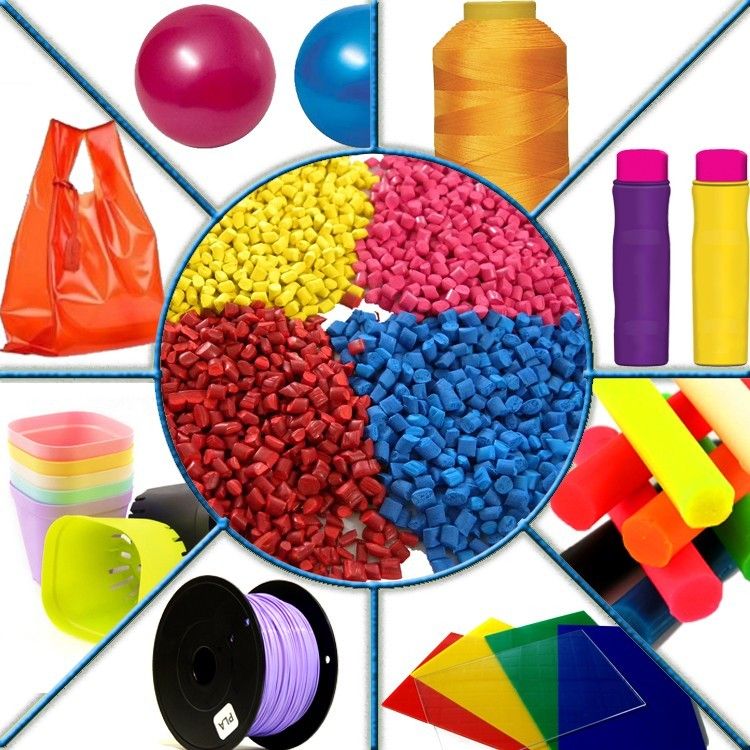
Color Masterbatches
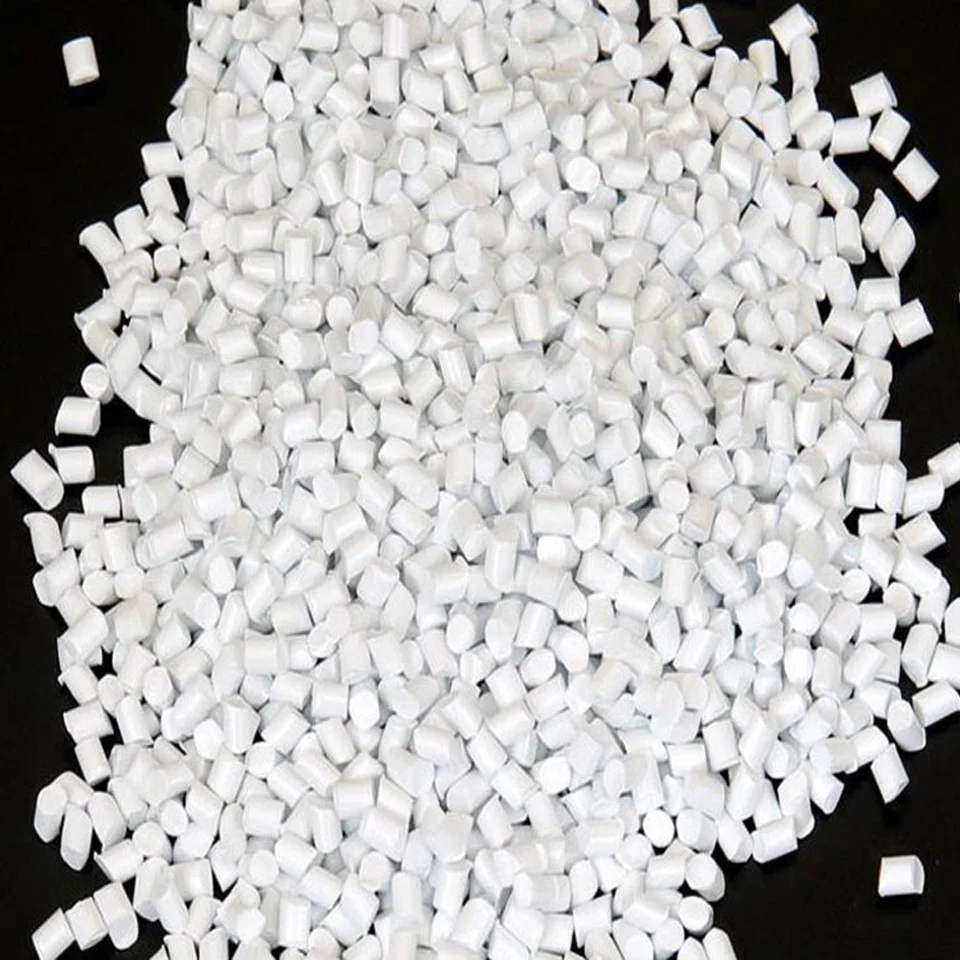
Color masterbatch is a solid or liquid additive used for coloring plastics. It consists of highly concentrated pigments and/or dyes encapsulated during a heat process into a carrier resin, which is then cooled and cut into a granular shape.
Think of it as a “color concentrate” that manufacturers mix with “natural” (uncolored) plastic to achieve a specific look without the mess and inconsistency of raw powders.
1. How It Works
Instead of buying plastic that is already colored (which is expensive to store and transport), manufacturers buy clear or white raw polymer in bulk. During the production process (like injection molding or extrusion), they add a small percentage—typically 1% to 5%—of color masterbatch.
- Carrier Resin: The “base” of the masterbatch must be compatible with the main plastic being used (e.g., a PE carrier for PE plastic).
- Dispersion: Because the pigments are already pre-dispersed in the resin, they melt and spread evenly, preventing streaks or “hot spots” of color.
2. Key Benefits
- Consistency: Ensures the exact same shade across millions of parts.
- Cleanliness: Unlike raw pigment powders, masterbatch doesn’t create airborne dust, making the factory environment safer and cleaner.
- Cost-Efficiency: Allows factories to buy one type of raw material in bulk and change colors simply by switching the masterbatch.
- Added Functionality: Many “color” masterbatches are actually 2-in-1, containing additives like UV stabilizers, antistats, or flame retardants.
3. Common Types
| Type | Composition/Usage |
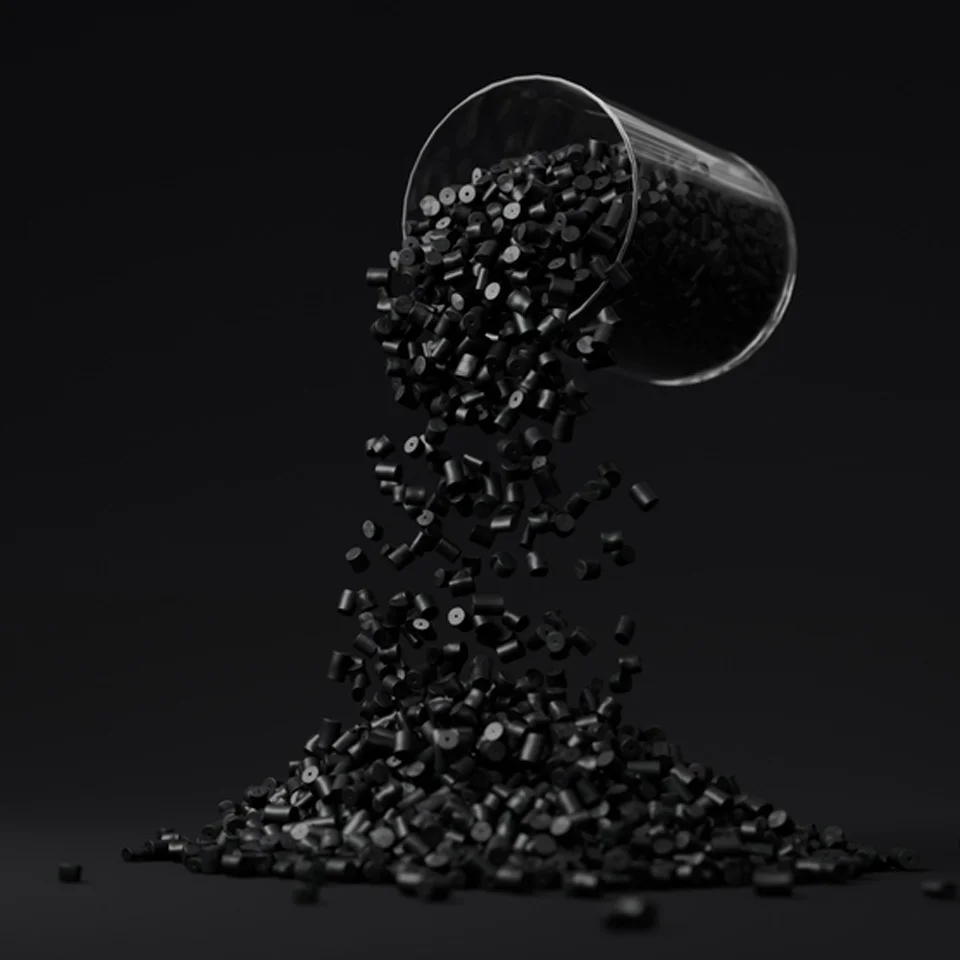
| Black Masterbatch | Uses carbon black; provides high opacity and UV protection. |
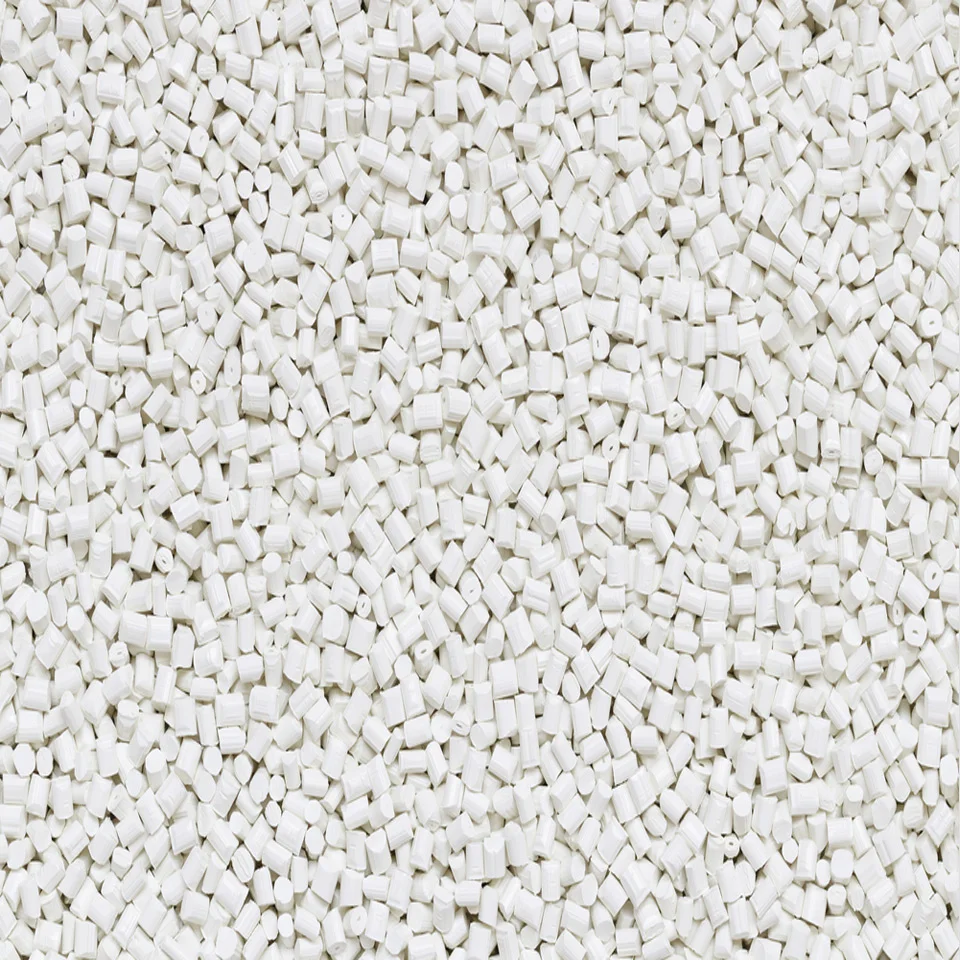
| White Masterbatch | Uses Titanium Dioxide ($TiO_2$); provides brightness and opacity. |
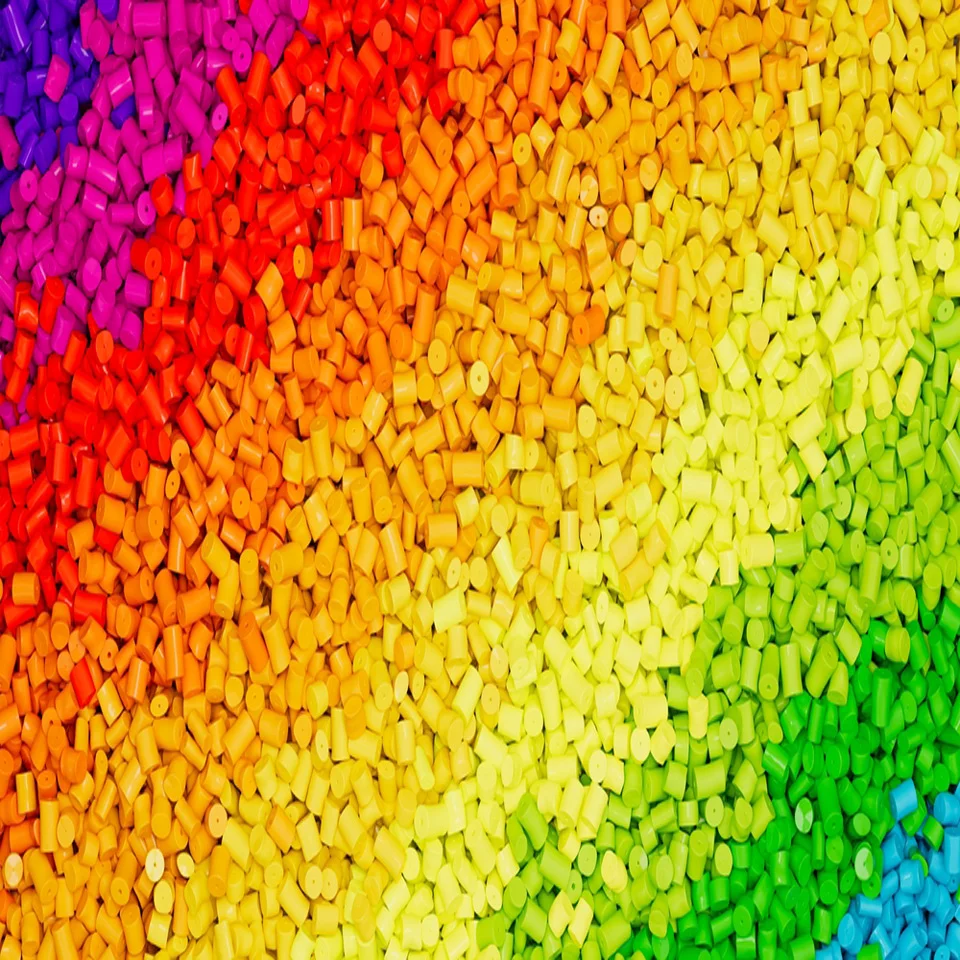
| Special Effects | Includes metallic, pearlescent, fluorescent, or “glow-in-the-dark” finishes. |
| Tailor-Made | Custom-matched to a specific Pantone or RAL color for branding. |
4. Major Applications
- Packaging: Bottles, food containers, and shopping bags.
- Automotive: Interior dashboards, trim, and exterior parts.
- Consumer Goods: Toys, household appliances, and electronics.
- Construction: PVC pipes, cables (for color-coding), and siding.